What if owning a home near the water changed not just where you stay, but how you live? On Bolivar Peninsula, ownership tends to feel less like a standard neighborhood routine and more like a coastal rhythm built around beach time, ferry timing, weather checks, and weekends that can feel like mini getaways. If you are wondering what day-to-day life really looks like here, this guide will walk you through the pace, access, housing mix, and practical realities that shape ownership on the peninsula. Let’s dive in.
Bolivar ownership feels different
Bolivar Peninsula is a narrow coastal strip in Galveston County between Galveston Bay and the Gulf of Mexico. According to Galveston County’s peninsula overview, it is known for fishing, boating, bird watching, and beach days, and the local tourism center describes it as a 27-mile beachfront area that includes Crystal Beach, Port Bolivar, Gilchrist, and High Island.
That setting shapes the ownership experience right away. Current ACS-based profile data show 2,951 residents, 1,643 households, and 69.5 people per square mile, which points to a small, spread-out community rather than a dense suburban environment. The median age is 62.5, which also gives the area a quieter, more established feel.
Access is part of daily planning
One of the biggest things to understand about owning on Bolivar Peninsula is that getting there is part of the lifestyle. The Galveston-Port Bolivar Ferry is a toll-free TxDOT service that runs 24 hours a day between Galveston Island and the peninsula on SH 87.
TxDOT says the crossing itself takes about 20 minutes, with a round trip of about an hour. During busy times, wait times can stretch past 2 hours, and severe weather can temporarily reduce or stop service. That means many owners get used to checking ferry conditions before heading over, especially on weekends, holidays, or during changing weather.
If you prefer to avoid the ferry, Galveston County notes that the mainland route is through southern Chambers County on Highway 124 South. Either way, location and access are not just map details here. They are part of how you plan trips, errands, arrivals, and departures.
The beach becomes part of your routine
On Bolivar Peninsula, the beach is not an occasional outing. It is often part of regular life. The peninsula has 27 miles of shoreline, and vehicles are allowed to drive on the beach, which makes the coast feel highly accessible in a way that is different from many other waterfront areas.
There is also a managed beach parking system. The tourism center explains that beach parking stickers and free parking zones support services like restrooms, rinse stations, trash service, maintenance, and patrols, while Galveston County’s beach rules FAQ makes clear that the permit applies to parking, not beach access itself.
For many owners, that creates a very specific kind of coastal routine. You may be checking beach conditions, loading up for the day, rinsing off after time outside, and planning around busy weekends or holiday traffic. That hands-on connection to the shoreline is a big part of what ownership feels like here.
Life here is low-key and seasonal
Bolivar Peninsula often feels more like a coastal destination community than a conventional town center. The local tourism center highlights events, live music, vacation rentals, webcams, local history, and seasonal activity across Crystal Beach, Port Bolivar, Gilchrist, and High Island.
That gives the area a different kind of rhythm. Weekends, holidays, and visitor seasons can bring more activity and energy, while everyday life in between can feel quieter and more relaxed. If you enjoy a setting that shifts with the seasons and stays closely tied to the coast, that can be part of the appeal.
Holiday culture is part of that rhythm too. For example, the tourism site’s Mardi Gras parade page notes that the parade runs along Hwy 87 and becomes part of the atmosphere for beach houses, RV parks, and local restaurants. Ownership here often means being plugged into that weekend-and-holiday energy when you want it, while still having space and breathing room the rest of the time.
Nature is part of everyday life
Bolivar Peninsula is also shaped by its natural setting in a very visible way. Birding is a major part of the area’s identity, and the Texas Parks & Wildlife Bolivar Loop guide highlights Bolivar Flats as an important shorebird site.
That matters because nature here is not just background scenery. Seasonal migration and cooler-month wildlife activity are part of the peninsula’s annual pattern. For owners, that can mean certain times of year bring a different pace, a different crowd, and a different kind of appreciation for the area.
Housing has a coastal mix
Housing on Bolivar Peninsula tends to look different from a typical mainland subdivision market. Census Reporter’s community profile lists 3,382 housing units and a median owner-occupied value of $315,500.
The broader housing picture includes single-family houses, apartments in multi-unit structures, mobile homes, and other nontraditional categories. Combined with the tourism center’s emphasis on beach houses, vacation rentals, RV parks, and extended-stay options, that points to a housing mix that is strongly tied to coastal use and second-home ownership.
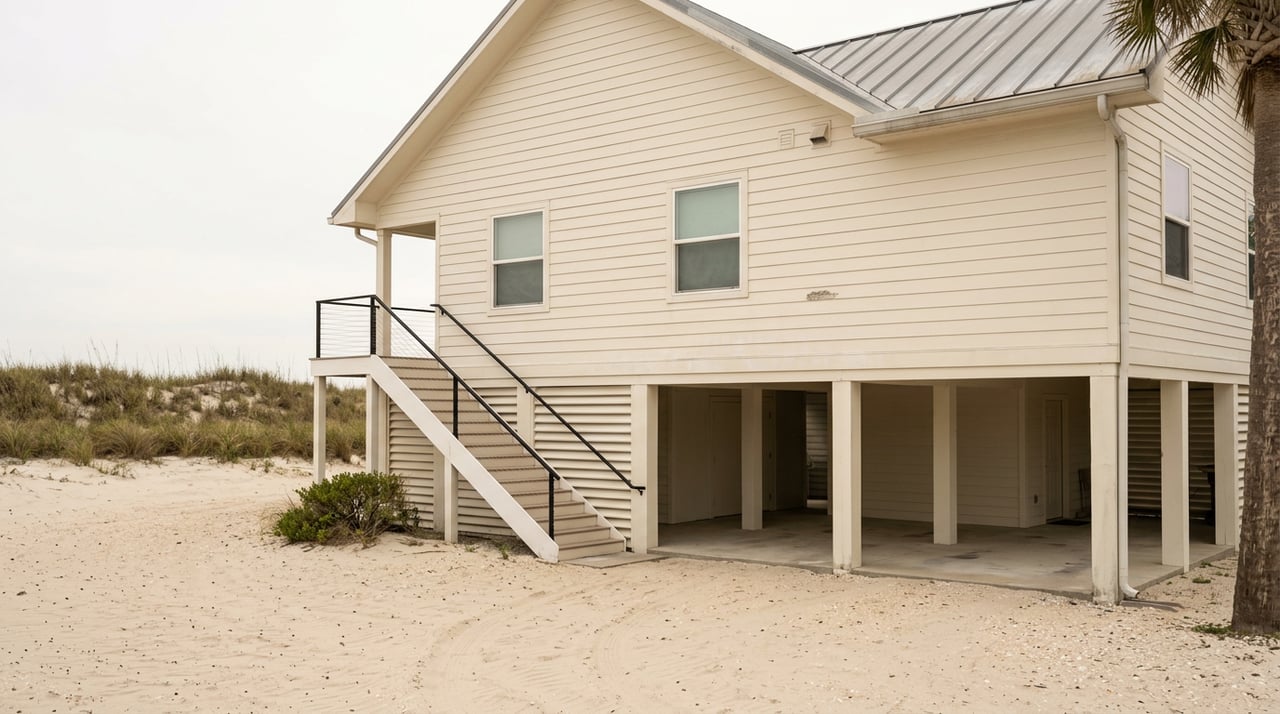
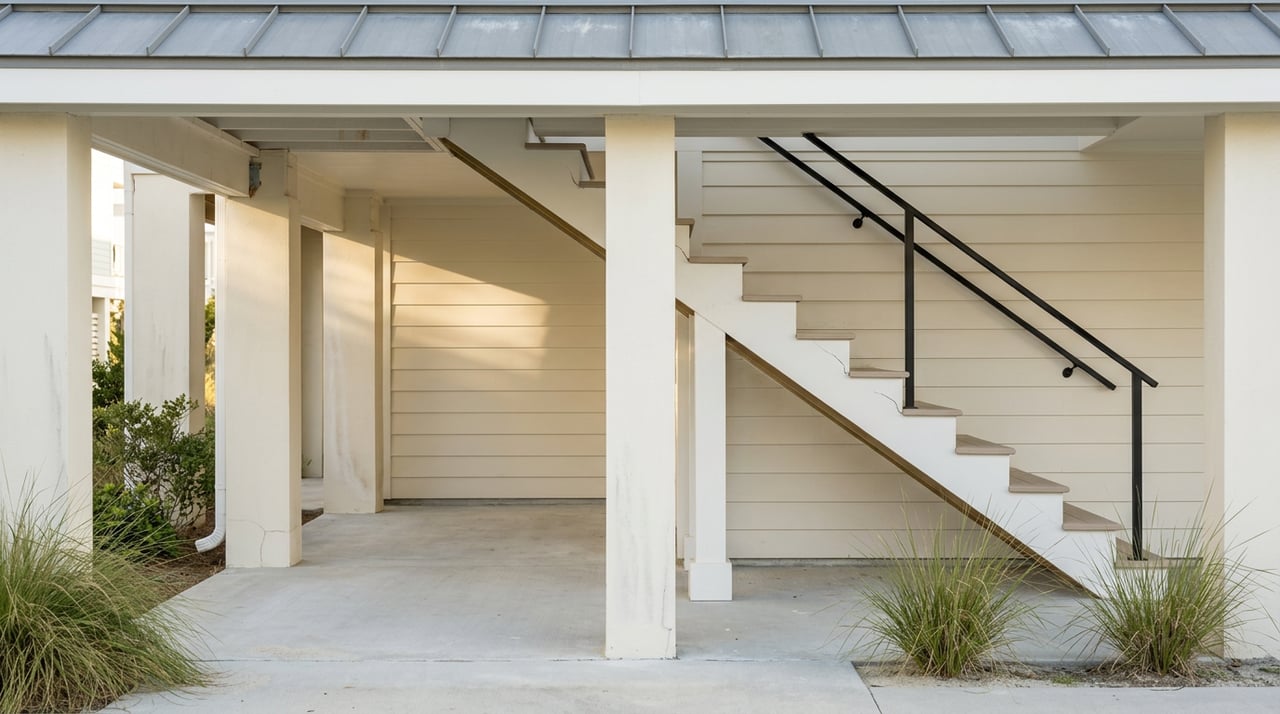
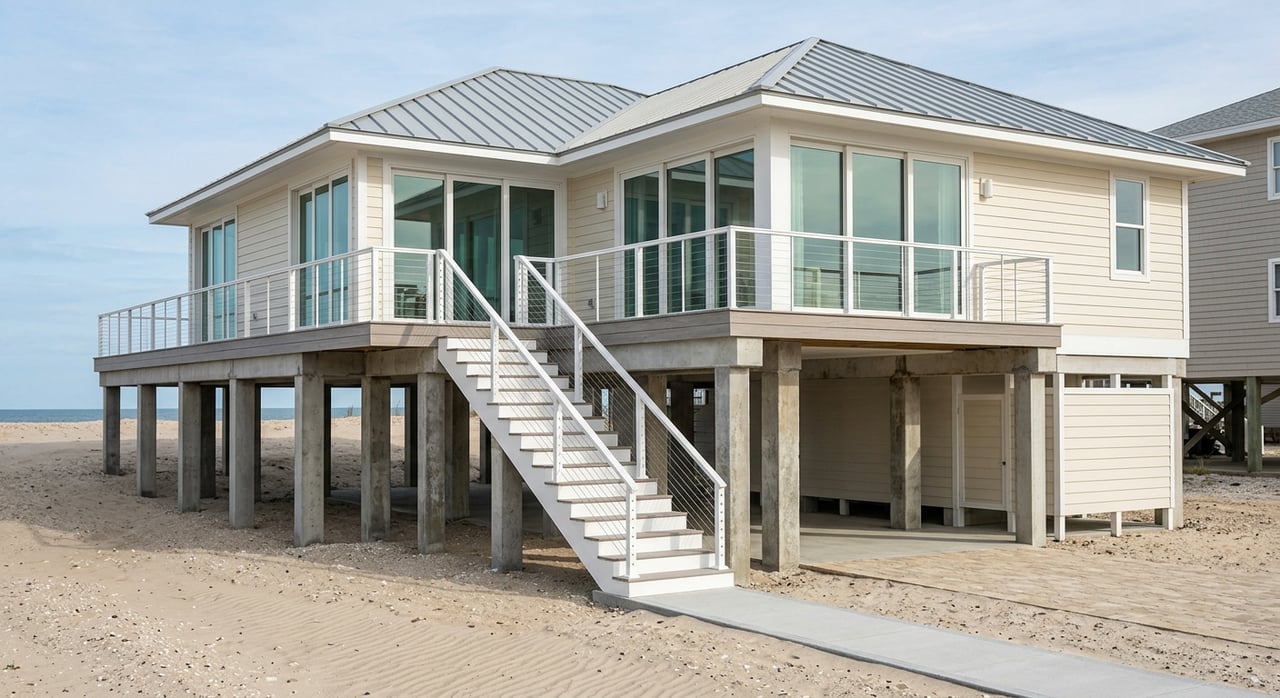
In practical terms, you are likely to see elevated beach homes, vacation-oriented properties, and RV-friendly options alongside more traditional residential choices. That mix is part of the peninsula’s character and one reason buyers often want local guidance when comparing location, access, and intended use.
Commuting can be a tradeoff
If you plan to work off the peninsula, commute time is worth thinking through early. ACS-based data reported by Census Reporter show a mean travel time to work of 52.5 minutes.
That number reflects geography and access more than big-city congestion. Ferry reliance, distance, and weather conditions can all influence how predictable your drive feels. For some owners, that tradeoff is well worth it for the setting and lifestyle. For others, it is something to weigh carefully before choosing a full-time home versus a second home.
Weather awareness is part of ownership
Owning on the peninsula means paying attention to weather in a practical way. Nearby Galveston climate normals from the National Weather Service show average highs around 89 to 90 degrees in July and August, with average lows around 49 to 51 degrees in January and February.
The Atlantic hurricane season runs from June 1 through November 30, and severe weather can affect ferry service. That does not mean ownership is complicated at every turn, but it does mean flexibility helps. Many owners get used to checking forecasts, travel conditions, and beach updates before making plans.
That weather awareness becomes part of normal coastal ownership. Instead of feeling unusual, it simply becomes one more habit that helps you enjoy the area and navigate it with fewer surprises.
Public amenities support the lifestyle
Even with its laid-back feel, the peninsula has public spaces and amenities that support daily use. Fort Travis Seashore Park offers a 70-acre historic site with picnic areas, playgrounds, and restrooms.
The county also notes that the Bolivar Beach Pavilion offers beach access, parking, restrooms, rinse-off showers, and a water fountain. Those amenities reinforce the everyday usability of the coast. They help make ownership here feel practical as well as scenic.
Who tends to enjoy owning here
Bolivar Peninsula can be a great fit if you want your home to support a beach-focused lifestyle. Many owners are drawn to the area for weekend escapes, retirement planning, second-home use, or full-time living with more space and a slower pace.
It can also be a strong fit if you value flexibility over predictability. Life here often works best when you are comfortable planning around weather, ferry traffic, and seasonal shifts. If that sounds like part of the charm instead of a drawback, Bolivar may feel like home in a very real way.
Why local guidance matters
Because ownership here is so tied to access, property type, and lifestyle goals, local knowledge matters. A home on the peninsula is not just about square footage or finishes. It is also about how you want to use it, how often you will travel back and forth, and what kind of coastal experience you want day to day.
That is where having the right advisor can make the process feel much easier. If you are exploring Bolivar Peninsula for a primary home, second home, or future sale, Norma Smalley offers the kind of local, hands-on guidance that can help you make a confident decision.
FAQs
What is daily life like on Bolivar Peninsula?
- Daily life on Bolivar Peninsula often centers on the beach, weather, ferry timing, and a quieter coastal pace rather than a typical suburban routine.
What should homeowners know about the Bolivar ferry?
- The Galveston-Port Bolivar Ferry is toll-free, runs 24 hours a day, takes about 20 minutes to cross, and can have long wait times during busy periods or service changes during severe weather.
What types of homes are common on Bolivar Peninsula?
- Bolivar Peninsula has a coastal-oriented housing mix that includes beach houses, traditional single-family homes, mobile homes, and RV-friendly options.
What is the commute like from Bolivar Peninsula?
- The reported mean travel time to work is 52.5 minutes, and commute patterns are shaped by geography, ferry use, and the peninsula’s limited access routes.
What makes owning on Bolivar Peninsula different from inland areas?
- Ownership on Bolivar Peninsula tends to feel more seasonal, beach-oriented, and weather-aware, with daily routines shaped by shoreline access, coastal amenities, and travel planning.