If you work in Houston but want your home life to feel a little calmer, Friendswood often lands on the shortlist for good reason. You may be weighing commute time, daily convenience, housing style, and whether the tradeoff feels worth it. The good news is that Friendswood offers a well-established suburban setting with strong access to Houston, plenty of local amenities, and a housing profile built around long-term homeownership. Let’s take a closer look.
Friendswood at a Glance
Friendswood is a suburban city of about 41,000 residents covering roughly 20 to 21 square miles. Official city materials place it about 3 miles west of Interstate 45, roughly between Houston and Galveston, and the city spans parts of both Galveston and Harris counties.
That location gives you a useful middle ground. You are close enough to Houston for a practical work commute, but far enough away to enjoy a more residential daily pace once you are back home.
What the Houston Commute Really Feels Like
If you are considering living in Friendswood while working in Houston, it helps to go in with clear expectations. Friendswood is a car-first community, and the numbers support that.
American Community Survey data shows a 28.6-minute mean commute, with 73% of workers driving alone and 7% carpooling. About 18% work from home, while only very small shares use transit, bike, or walk.
In plain terms, your commute will most likely revolve around driving. If you prefer a lifestyle built around rail or frequent public transportation, Friendswood may not match that preference.
Main roads commuters use
City guidance points residents toward several key roads for access to Interstate 45:
- FM 518, also known as Friendswood Drive
- FM 528, also known as Parkwood Avenue
- FM 2351, also known as Edgewood Drive
For many Houston commuters, the day-to-day experience is less about distance on paper and more about managing arterial-road traffic before you even reach the highway. That makes route planning and timing a real part of living here.
Why commute expectations matter
Friendswood can work well if you are comfortable trading a more urban location for a quieter home base. If your top priority is minimizing every possible driving minute, you may want to compare it with neighborhoods closer to your Houston job center.
But if you want more space, a steadier suburban rhythm, and a community where many residents stay put for years, the commute may feel like a reasonable exchange.
Why Many Buyers Choose Friendswood Anyway
For many buyers, the draw is not just access to Houston. It is the overall feel of daily life once the workday ends.
Friendswood appears to have a settled residential character. ACS-based data shows a median age of 41.3, median household income of $126,508, bachelor's degree attainment of 52.7%, and about 91.5% of residents living in the same house a year earlier.
That kind of stability can matter when you are looking for a place that feels rooted. Instead of a highly transient market, Friendswood reads more like a community where people often stay for the long term.
Housing in Friendswood
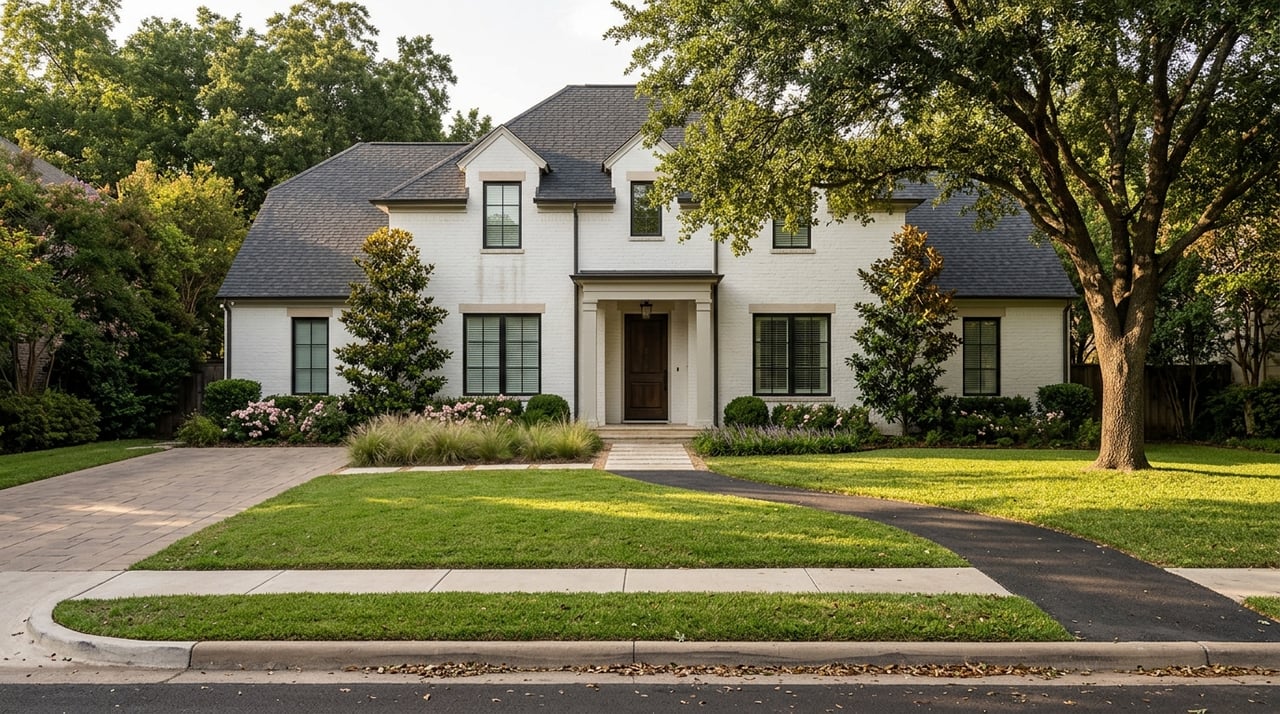
Housing in Friendswood is dominated by detached homes. Census data shows 85% of housing units are single-unit structures, 96% of units are occupied, and about 77% are owner-occupied.
The median owner-occupied home value is $420,100. While every price point and property condition varies, the broader picture is clear: Friendswood is primarily a suburban homeownership market rather than a dense apartment market.
What that means for buyers
If you are moving from Houston or another nearby area, Friendswood may appeal to you if you want:
- More yard space
- A detached home setting
- A neighborhood-oriented environment
- A market with many long-term homeowners
For buyers who want a quieter place to land after work, that mix can be appealing. It supports the idea of home as a retreat, not just a place to sleep between commutes.
What that means for sellers
If you own a home in Friendswood and plan to sell, the city’s stable, owner-heavy profile can shape buyer expectations. Many shoppers looking here are not just browsing for convenience. They are often looking for a place to settle in and stay awhile.
That makes presentation, pricing, and a clear understanding of local buyer priorities especially important. In a market where lifestyle matters, buyers tend to notice how well a home fits everyday living.
Daily Life Beyond the Commute
A commute is only one part of the decision. What matters just as much is what your life looks like before work, after work, and on weekends.
Friendswood offers a local setup that supports everyday routines without requiring constant trips into Houston. The city describes a full-service municipal structure that includes services such as library, sanitation, street maintenance, and water and sewer.
That practical side of city life is easy to overlook, but it matters. It helps create the kind of community where many daily needs can be handled close to home.
Parks and Recreation in Friendswood
Friendswood has a strong parks footprint for a city its size. The parks department says the city has 10 parks, 266 acres of green space and nature trails, plus programs for adults, youth, and seniors.
The city also hosts annual special events that draw around 10,000 attendees. That adds activity and community connection without making the city feel overly busy.
Standout park options
Several parks highlight the range of recreation available:
- Stevenson Park offers tennis, pickleball, volleyball, basketball, a jogging trail, playgrounds, a splash pad, and a bridge to Old City Park.
- Old City Park includes a playground, dog park, picnic space, and walking trail.
- Lake Friendswood Park has fishing docks, a kayak launch, and a 1-mile trail.
- Centennial Park features sports fields, a track, and an amphitheater.
- 1776 Memorial Park is more nature-focused, with a hiking and biking trail plus a kayak launch.
If you want your non-work hours to include outdoor time, these amenities can make a real difference. They support a lifestyle that feels balanced, especially if your weekdays involve a drive into Houston.
Dining and Everyday Convenience
Friendswood’s dining scene is best described as practical and easy to use. According to the city’s 2024 eating-places infographic, you will find clusters of casual dining and grab-and-go spots along South Friendswood Drive and Parkwood Avenue.
Categories include coffee shops, pizza, ice cream, Mexican food, barbecue, sandwiches, sushi, and other quick-service options. That means you are more likely to find convenient everyday favorites than a dense nightlife or restaurant district.
For many commuters, that is actually a plus. It makes it easier to grab coffee on the way out, pick up dinner on the way home, or keep errands and meals close to your usual routes.
Weekend Access Adds Flexibility
Living in Friendswood does not mean giving up regional variety. City history materials note that within about a 30-minute drive, residents can reach larger attractions such as NASA, Galveston beaches, museums, theaters, and major sports venues.
That wider access can make Friendswood especially appealing if you want a quieter home base without feeling cut off. Your weekdays can stay structured and practical, while weekends still offer plenty to do across the region.
Is Friendswood a Good Fit for Houston Commuters?
Friendswood can be a strong fit if you want a suburban environment and understand that driving is part of the deal. The city offers a residential setting, detached homes, local parks, practical dining, and convenient access to both Houston and Galveston-area destinations.
It may be especially appealing if you value stability. The data points to a community with many long-term homeowners and relatively low year-over-year moving activity.
On the other hand, it may be less ideal if you want a transit-oriented lifestyle or need to be in the center of Houston with minimal driving. In that case, the commute tradeoff may feel heavier.
Questions to Ask Before You Move
Before choosing Friendswood as your home base, it helps to think through your daily routine in real terms.
Ask yourself:
- How many days per week will you commute to Houston?
- What time do you need to be on the road?
- Are you comfortable with a driving-based routine?
- Do you want a detached home and more residential surroundings?
- How important are parks, trails, and local convenience to your lifestyle?
- Would access to both Houston and Galveston add value to your weekends?
The right answer depends on your work pattern and how you want home to feel. For many people, Friendswood works because it offers a calmer landing spot while still keeping Houston within reach.
If you are thinking about buying or selling in Friendswood, having local guidance can make the process much easier. Norma Smalley offers hands-on support for buyers and sellers across Friendswood and nearby mainland markets, with a clear, personalized approach from start to finish.
FAQs
What is the typical commute from Friendswood to Houston?
- ACS data shows a 28.6-minute mean commute, though your actual drive will depend on your Houston work location, route, and timing.
Is Friendswood a car-dependent community for Houston workers?
- Yes. Most workers drive, with 73% driving alone and 7% carpooling, while only very small shares use transit, biking, or walking.
What kind of housing is common in Friendswood, Texas?
- Friendswood is mostly a detached-home market, with 85% single-unit structures and about 77% owner-occupied housing.
Does Friendswood have parks and outdoor amenities?
- Yes. The city reports 10 parks, 266 acres of green space and nature trails, plus amenities such as trails, sports courts, playgrounds, fishing docks, and kayak launches.
Is Friendswood more urban or suburban in character?
- Friendswood is suburban in character, with a largely developed residential setting, long-term homeowners, and daily life centered more on neighborhoods and driving than on urban density.